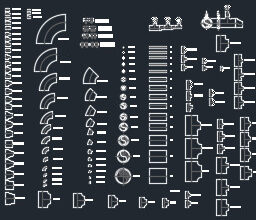
Fire Fighting System Complete Course (MEP — NFPA)
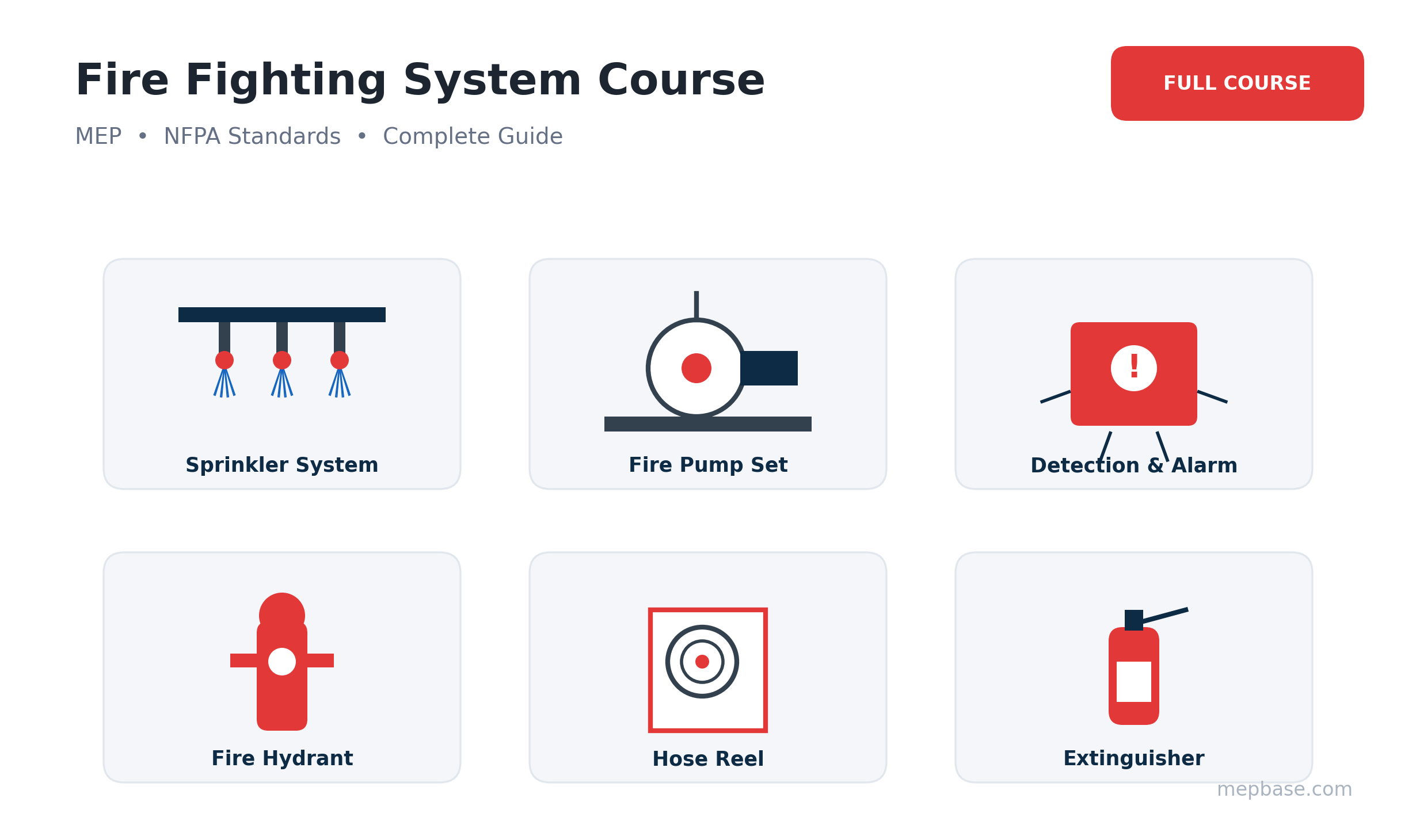
This is a complete fire fighting system course for MEP engineers and draftsmen, written around the NFPA standards used across the Gulf and international projects. It walks you through the full fire protection scope — systems, components, the fire pump set, detection and alarm, the governing NFPA codes, and how to read fire fighting shop drawings — so you can confidently design, draft, review or coordinate a fire fighting package. Use it as a structured reference and work through each section in order.
1. What is a fire fighting system?
A fire fighting (fire protection) system is the combination of equipment, piping, pumps, detection and suppression devices that detect a fire and control or extinguish it to protect life and property. In MEP, the fire fighting package is a dedicated discipline coordinated alongside HVAC, electrical and plumbing. Fire protection is split into two broad approaches:
2. Classes of fire
Selecting the right extinguishing agent starts with the fire class. The internationally recognised classes are:
| Class | Fuel | Typical agent |
|---|---|---|
| Class A | Ordinary solids (wood, paper, textiles) | Water, foam |
| Class B | Flammable liquids (oil, petrol, solvents) | Foam, CO₂, dry powder |
| Class C | Flammable gases | Dry powder (after isolating gas) |
| Class D | Combustible metals | Special dry powder |
| Class K | Cooking oils & fats (kitchens) | Wet chemical |
| Electrical | Energised equipment | CO₂, clean agent |
3. Types of fire fighting systems
Hydrant & standpipe systems
A network of pipes (risers) feeding landing valves and external/internal hydrants so firefighters can connect hoses. A wet riser stays charged with water; a dry riser is normally empty and charged by the fire brigade pump on arrival (used in lower-rise buildings). Standpipe classes (I, II, III) under NFPA 14 define whether the system serves fire brigade, occupants, or both.
Automatic sprinkler systems (NFPA 13)
Fire hose reel & landing valves
First-aid fire fighting for occupants — a hose reel (typically 25–30 m) connected to the wet system, and landing valves at each floor of the riser for the fire brigade.
Foam systems
For Class B flammable-liquid hazards (fuel storage, generator rooms). Foam concentrate is proportioned into the water stream to form a blanket that smothers the fire.
Clean agent & gas suppression (NFPA 2001)
For spaces where water would cause damage — server rooms, electrical rooms, control rooms. Agents such as FM-200, NOVEC 1230, inert gases or CO₂ extinguish without residue. Discharge is triggered by a dedicated detection panel.
Kitchen hood suppression (NFPA 96 / UL 300)
Wet chemical systems over commercial cooking equipment to handle Class K fires, with automatic and manual activation and fuel/gas shut-off.
4. Major components of a fire fighting system
| Component | Function |
|---|---|
| Water source / tank | Stores the required fire water reserve |
| Fire pump set | Provides the design flow and pressure |
| Risers (wet/dry) | Vertical mains feeding each floor |
| Sprinkler heads | Detect heat and discharge water locally |
| Hydrants & landing valves | Hose connection points |
| Hose reels | First-aid fire fighting for occupants |
| Control valves & flow switches | Isolate zones and signal water flow |
| Fire alarm panel & detectors | Detect and annunciate fire |
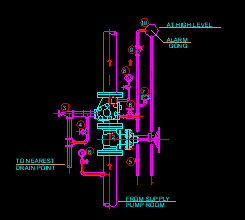
5. Fire pump system (NFPA 20)
The fire pump set is the heart of the system, sized to deliver the required flow at the required pressure for the most demanding zone. A typical set under NFPA 20 includes:
Pumps start automatically on falling pressure (pressure switches), in sequence, and are tested against the manufacturer’s performance curve. The pump room layout, suction arrangement and relief valve all follow NFPA 20.
6. Fire detection & alarm (NFPA 72)
Detection initiates the response — early warning, occupant notification and, where used, releasing suppression. Core devices:
| Device | Role |
|---|---|
| Smoke detectors | Detect smoke (ionisation / photoelectric) |
| Heat detectors | Detect temperature rise / fixed temperature |
| Manual call points (MCP) | Manual alarm activation by occupants |
| Fire alarm control panel (FACP) | Monitors devices and controls outputs |
| Sounders & strobes | Alert occupants to evacuate |
7. Key NFPA standards to know
| Standard | Covers |
|---|---|
| NFPA 13 | Installation of sprinkler systems |
| NFPA 14 | Standpipe and hose systems |
| NFPA 20 | Stationary fire pumps |
| NFPA 72 | Fire alarm and signalling code |
| NFPA 2001 | Clean agent fire extinguishing systems |
| NFPA 96 | Commercial kitchen ventilation & suppression |
| NFPA 25 | Inspection, testing & maintenance of water-based systems |
In the Gulf, projects also follow the local Civil Defence codes (e.g. UAE Fire & Life Safety Code, Saudi/KSA Civil Defence), which are largely based on NFPA.
8. Basic design workflow
- Classify the hazard — Light, Ordinary (Group 1/2) or Extra Hazard per NFPA 13.
- Select the system — sprinkler type, hydrant/standpipe, gas suppression for special areas.
- Determine design density & area — gpm/ft² (or mm/min) over the design area for the hazard.
- Lay out heads & coverage — spacing and maximum coverage per head.
- Hydraulic calculation — confirm flow and pressure at the most remote point.
- Size the pump & tank — flow + pressure + required duration.
- Coordinate & produce shop drawings — clash-check with other MEP services.
9. Reading fire fighting drawings
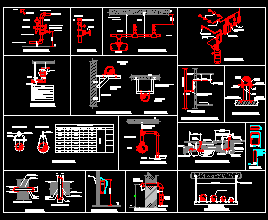
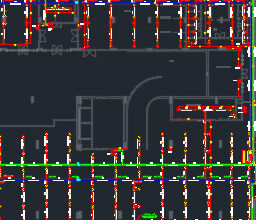
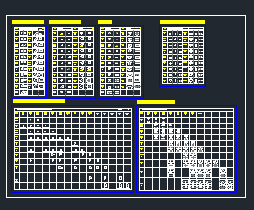
Fire fighting shop drawings use standard symbols for sprinkler heads, pipe sizes, risers, valves, hydrants, hose reels and pumps, plus a legend and notes. As a draftsman/engineer you should be able to identify the riser diagram, the pump room layout, head layout per floor, and the hydraulic reference nodes. A clear legend and consistent line weights are essential for approval by the consultant and Civil Defence.
10. Common fire fighting interview questions
What is the difference between a wet riser and a dry riser?
A wet riser is permanently charged with water under pressure; a dry riser is normally empty and charged by the fire brigade pump on arrival, used in lower-rise buildings.
What is the purpose of a jockey pump?
It maintains system pressure and compensates for small leaks so the main fire pump does not start unnecessarily.
Which NFPA standard governs sprinkler installation?
NFPA 13 — Standard for the Installation of Sprinkler Systems.
What is the difference between pre-action and deluge systems?
Pre-action holds water back until detection releases it (water-sensitive areas); deluge has open heads that all discharge together for high-hazard areas.
Why are diesel fire pumps used?
As a reliable standby that operates during a power failure, ensuring the fire pump set still meets demand.
11. Free downloads & resources
- Fire Fighting Symbols & Legend DWG — Free Download
- Fire Fighting Shop Drawing Sample DWG — Free Download
- Fire Pump Room Layout DWG — Free Download
12. Conclusion
A complete fire fighting system brings together water supply, pumps, sprinklers, hydrants, hose reels, gas suppression and detection — all governed by the NFPA family of standards and the local Civil Defence code. For an MEP engineer or draftsman, mastering the system types, the pump set, the key NFPA standards and how to read the drawings is the foundation for designing and delivering a compliant fire protection package. Use the sections above as your reference, and always confirm the final design against the project specification and the authority having jurisdiction (AHJ).
Disclaimer: This course is for educational and reference purposes. Always design and verify fire protection systems in accordance with the applicable NFPA standards, local Civil Defence codes and the authority having jurisdiction (AHJ).